“Glass skin” has been one of the biggest beauty phrases of the decade, and the Korean facial is the spa treatment most closely tied to it. It’s a slower, more layered treatment than a standard facial, with a thorough cleanse, gentle exfoliation, facial massage and several rounds of hydration. Most people leave with skin that looks bright and dewy.
Interest in K-beauty keeps growing. South Korea’s cosmetics exports hit a record $11.43 billion in 2025. The US also became the top destination for Korean cosmetics for the first time, according to government data reported by Yonhap. With ResortPass, you can book a Korean facial for the day, whether that’s a glass skin facial in Manhattan or an oxygen facial in Seattle.
Here’s what a Korean facial is, what happens during one, what dermatologists say about glass skin, and where to book. If you’d like a similar treatment for the rest of your body, see our guide to Korean body scrubs.
What is a Korean facial?
A Korean facial follows the same steps as a K-beauty skin care routine: cleanse thoroughly, exfoliate gently, and hydrate in thin layers instead of one heavy cream. Most treatments skip harsh peels and focus on protecting your skin barrier, which helps your face look smooth and dewy afterward.
There’s no single official recipe. Still, most Korean facials share a few signatures: a double cleanse, an enzyme or mild acid exfoliation, a sculpting facial massage, and a mask followed by essences, serums and moisturizer pressed in one after another. Many spas add tech, too, like oxygen infusion, cryotherapy tools or LED light.
In Korea, a dewy, healthy shine is sometimes called mul-gwang, or “water glow.” In English, most people call it glass skin, a trend with roots in South Korean beauty culture, as CNN noted in a recent look at the trend.
New York board-certified dermatologist Dr. Jane Yoo describes glass skin as “an intact skin barrier, real hydration, and even tone.” A Korean facial works on all three of those factors over the course of an hour or more.
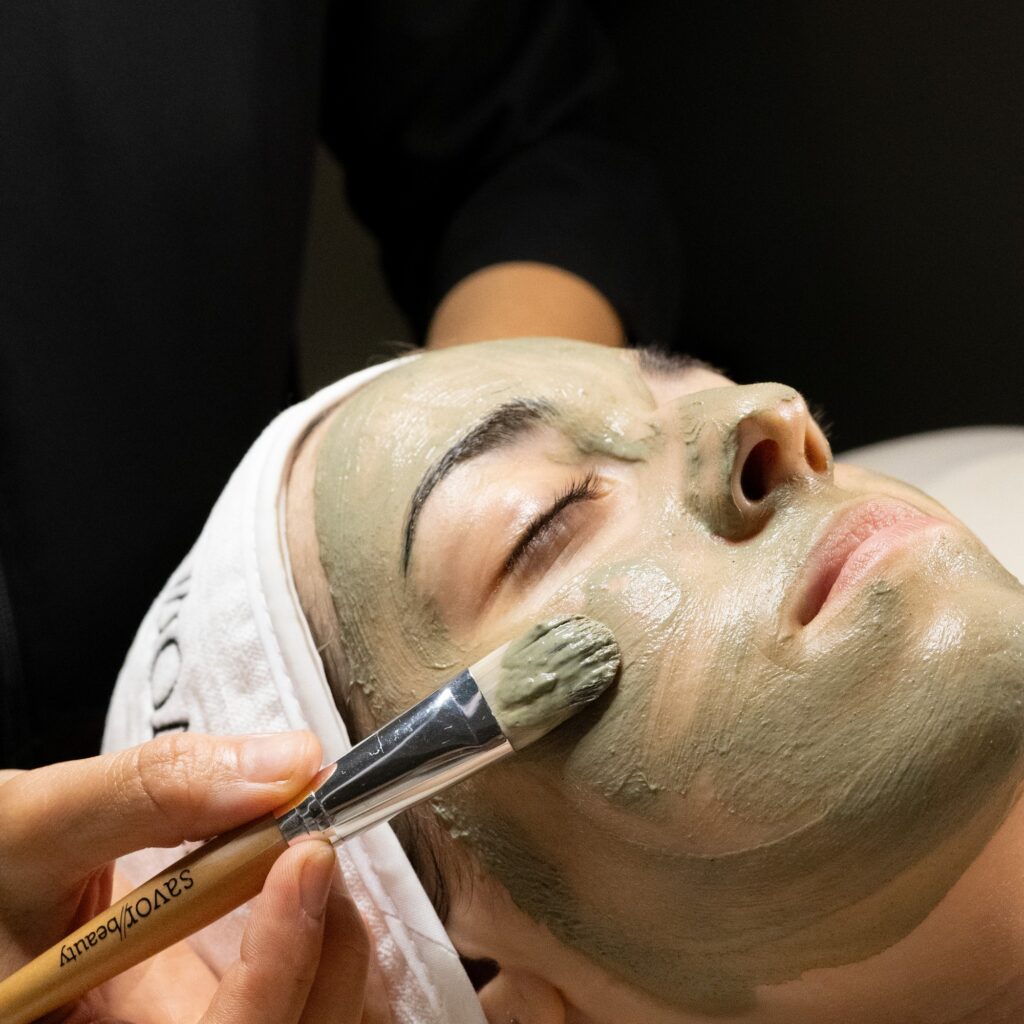
What happens during a Korean facial
Every spa does things a little differently, but here’s the general order to expect, whether you book a glass skin facial in New York or an oxygen facial in Seattle.
Double cleanse:
Almost every Korean facial starts with a double cleanse. Your esthetician first uses an oil or balm cleanser to melt away sunscreen, makeup and oil. Then comes a water-based cleanser to clean the skin itself. Savor Beauty + Spa says its facials always begin with “a warm K-beauty double cleanse.” Many spas add steam at this point to soften the skin.
Exfoliate gently:
Next comes exfoliation, usually a fruit enzyme or mild acid that dissolves dead skin cells rather than scrubbing them away. Some facials add a physical step, like diamond-tip dermabrasion. If you need extractions, they typically happen now, while your skin is soft.
Massage and sculpt:
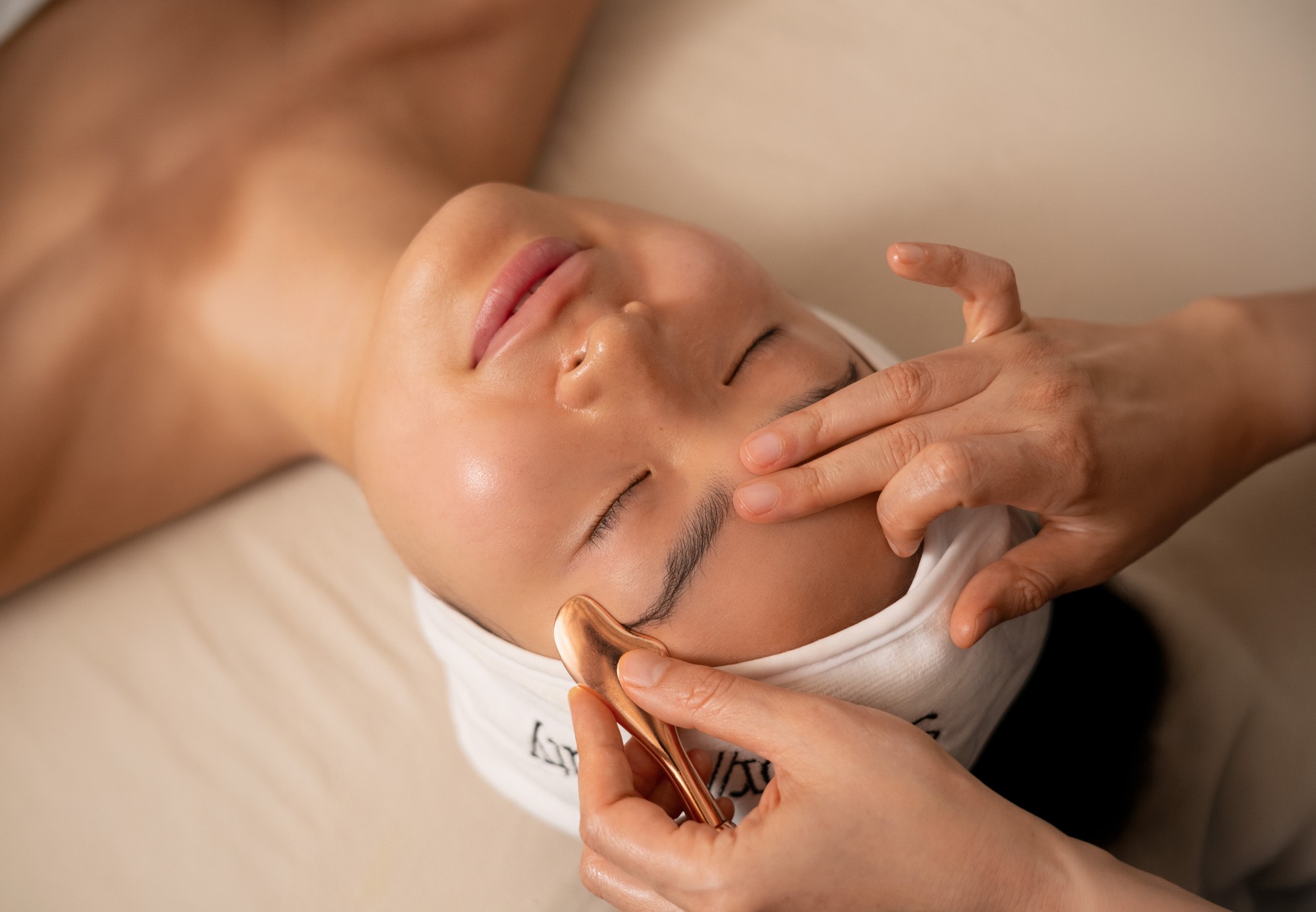
Facial massage is a big part of a Korean facial, and many people say it’s their favorite step. Expect slow, firm strokes along the jaw, cheekbones and brow, sometimes with a gua sha stone or cooling tools. The goal is to relax tight facial muscles and help skin look less puffy.
Layer the hydration:
To finish, your esthetician applies a mask. Then they press in thin layers of toner, essence, serum and moisturizer, letting each one sink in. Depending on the treatment, this is also when you might get an oxygen infusion, LED light therapy or cryotherapy. You’ll usually leave with SPF on and skin that feels soft and hydrated.
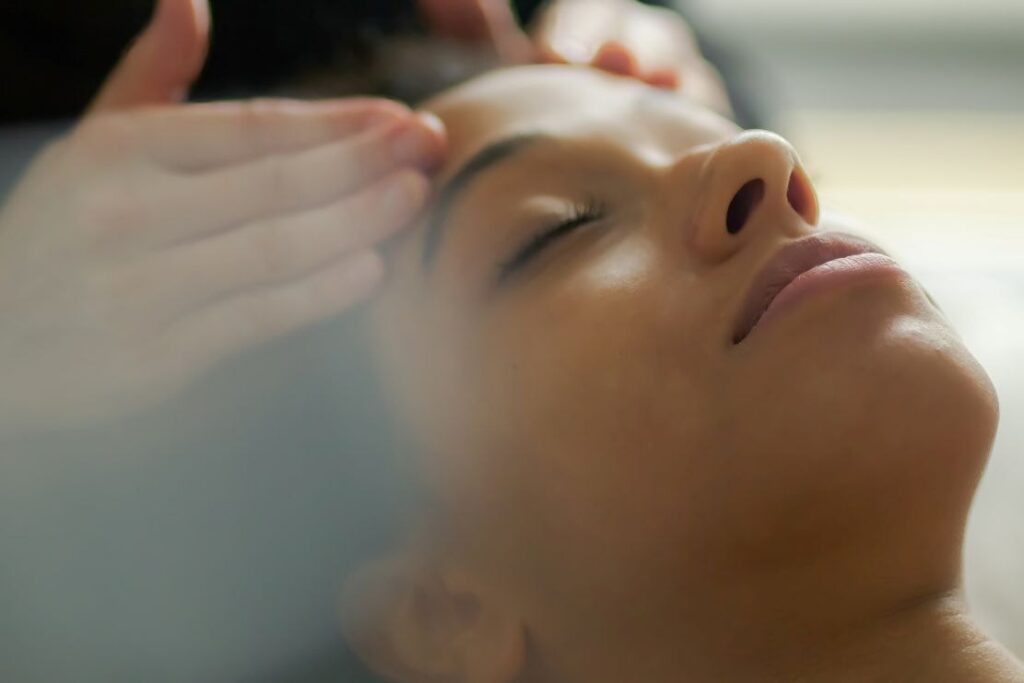
Is a Korean facial good for your skin?
For most people, a well-done Korean facial is a gentle, hydrating treatment that leaves skin looking smoother and brighter for days. Because the approach favors mild exfoliation over aggressive peels, it’s a good fit if you want a glow without much downtime.
If you’re worried about negative effects, the only problems are usually a result of overdoing it at home. Dermatologists in a recent report warned that layering too many products can cause clogged pores, irritation and breakouts. They stressed that “Korean skincare is not the problem,” but the viral, many-step version of it can be. As Dr. Yoo points out, pores “are genetic and do not respond to layering products,” so your realistic goal should be healthy, hydrated skin with a natural glow (rather than a totally poreless appearance).
The American Academy of Dermatology adds a few cautions that apply to the exfoliation step. If you have a darker skin tone, it recommends avoiding strong chemical or mechanical exfoliation, which can lead to dark spots. It also says never to exfoliate over cuts or sunburned skin. Tell your esthetician about any skin concerns so they can adjust.
How to prep for your first Korean facial
A few simple steps help you get the most out of your treatment:
Book ahead and arrive early:
Popular estheticians fill up on weekends, so book a few days out if you can. If your facial includes spa access, arrive 30 minutes early to change and enjoy the steam room or sauna.
Pause strong skin care:
Hold off on retinoids, acid exfoliants and benzoyl peroxide for a few days before your appointment. The AAD notes that exfoliating while using these products may worsen dry skin or even cause breakouts.
Skip waxing and new products:
Avoid facial waxing, threading or trying a brand-new product in the days before, so your skin isn’t already irritated when you sit down.
Share your skin history:
Let your esthetician know about sensitivities, allergies, recent procedures or prescription skin care. It changes which exfoliant, mask and tools they’ll reach for.
Keep the rest of the day low-key:
Your skin may be a little pink right after. Skip makeup for the rest of the day if you can, wear sunscreen, and save exfoliants for later in the week. Dr. Yoo calls sun damage “the fastest way to undo even tone.”
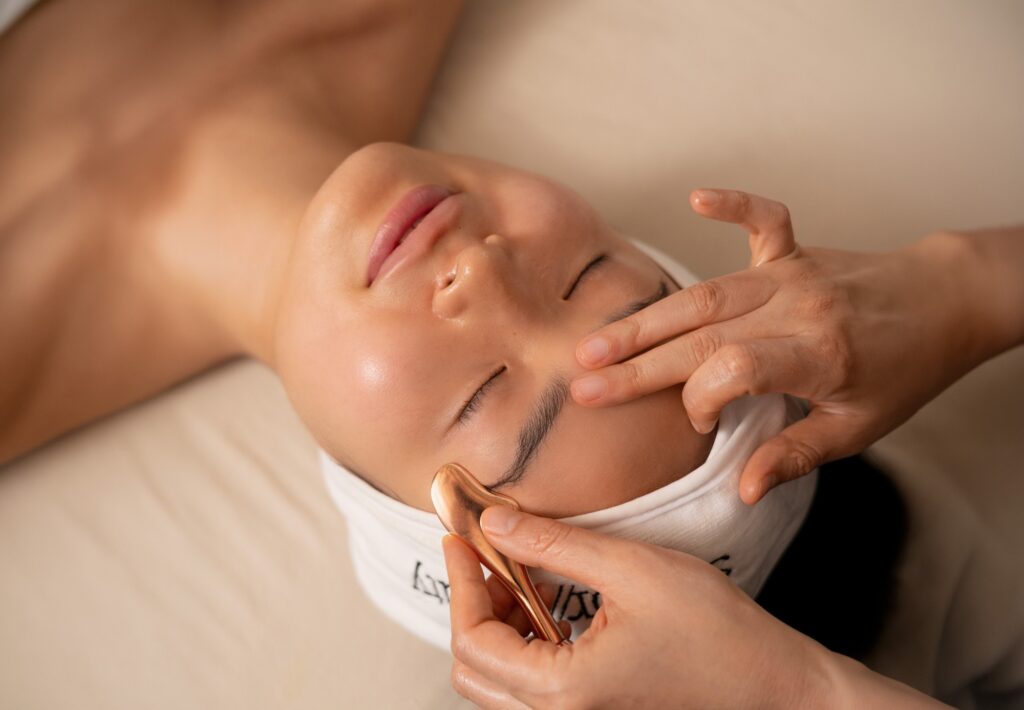
Korean facials and glass skin facials you can book with ResortPass
These ResortPass properties offer Korean facials and glass skin treatments you can book for the day, no overnight stay needed. Curious about other treatment types? Our guide to spa treatments breaks them down.
Savor Beauty + Spa
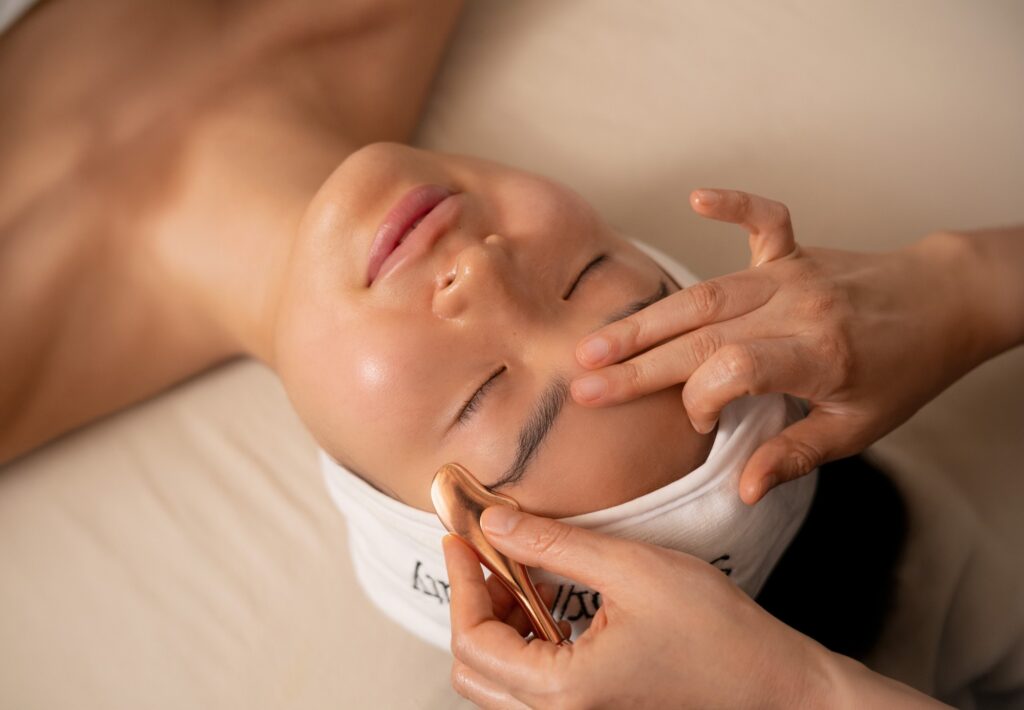
Locations: West Village and Upper West Side, New York, New York
Savor is one of the newest spas on ResortPass, and it specializes in Korean facials made with clean skin care produced in New York. It has two Manhattan spas, one in the West Village and its flagship on the Upper West Side, and both offer the 60-Minute Korean Glass Skin Facial as a ResortPass Exclusive. The treatment starts with a warm double cleanse, followed by diamond dermabrasion, a fruit enzyme or acid peel, extractions and the spa’s signature Savor Sculpt Korean massage. It finishes with a mask and layered hydration. See more New York spa day passes.
- West Village: 60-Minute Korean Glass Skin Facial
- Upper West Side: 60-Minute Korean Glass Skin Facial
The Spa at Lotte Hotel Seattle
Location: Seattle, Washington
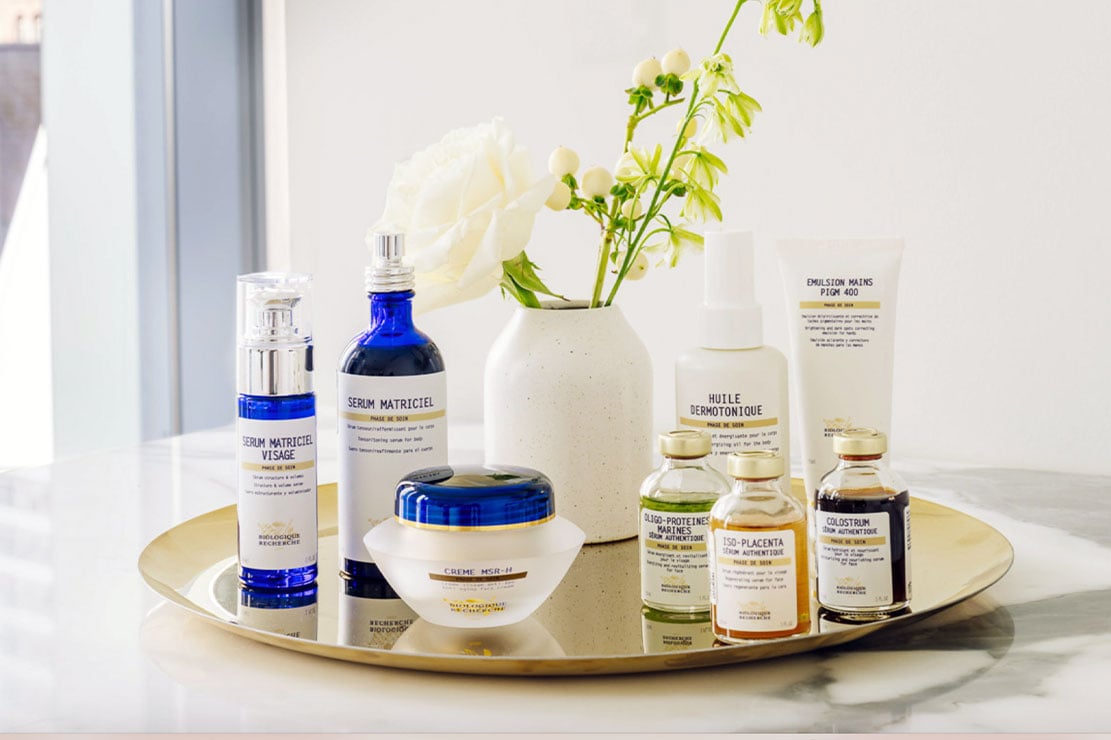
Lotte is a Korean hotel brand, and its spa’s Korean Oxygen Facial Ritual follows a classic K-beauty approach. The 90-minute facial starts with a double cleanse, enzyme exfoliation and an oxygen infusion, then uses serums chosen for hydration, pigmentation or fine lines. Your booking also includes the steam rooms and saunas.
Penelope & The Beauty Bar
Location: Seattle, Washington
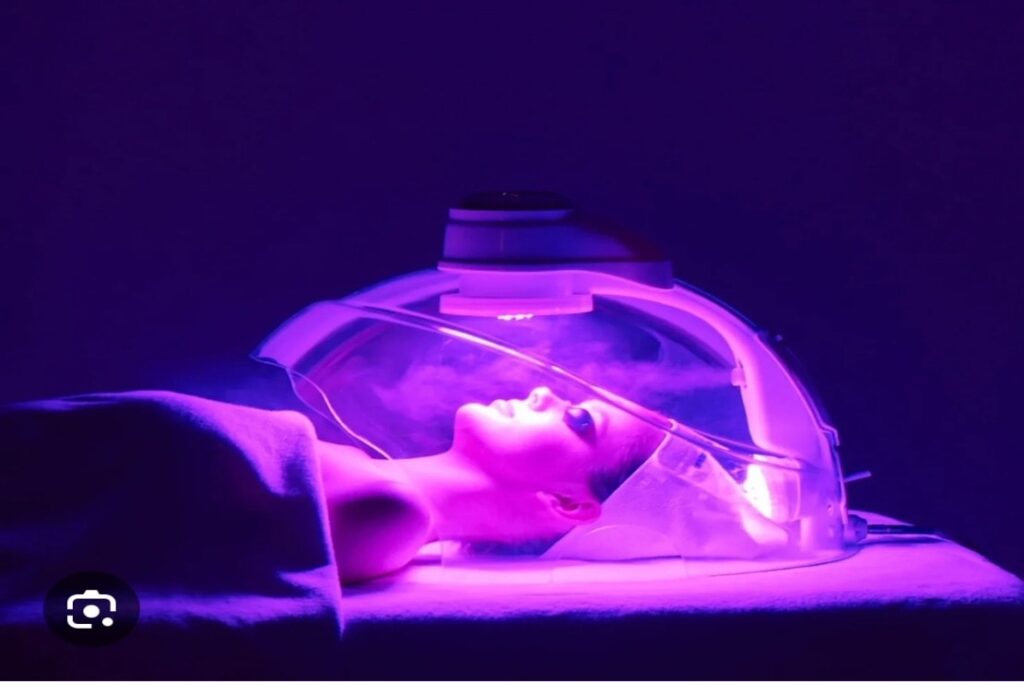
The 120-Minute Oxygen Dome Facial is based on Korean skin care and pairs a double cleanse and enzyme exfoliation with an oxygen infusion. At two hours, it’s one of the longest treatments on this list. See more Seattle spa day passes.
Glass skin facials:
- The Ritz-Carlton New York, Central Park, New York, New York: The Glass Skin Facial comes in 60-minute and 90-minute versions and combines cryotherapy and lymphatic drainage to even tone and reduce dullness. Both include access to the La Prairie Spa’s steam rooms, plus the fitness center.
- EnviouSkin, San Diego, California: The 50-Minute Glass Skin Brightening Facial uses glycolic acid to smooth texture, then follows with a hydrating mask, cryo-sculpting tools and vitamin C for radiance. See more San Diego spa day passes.
- Botanical Nail and Skin Studio, New Orleans, Louisiana: The Glass Skin Journey covers more than your face. It pairs a 60-minute relaxation massage with a nanoinfusion facial, LED light therapy and a scalp massage, plus a glass of champagne in the lounge. See more New Orleans spa day passes.
Turning it into a full day? Our solo spa day guide can help you plan the rest. If the massage is your favorite part, a head spa session is a good next step. You can also pair your facial with a Korean body scrub.
Korean facial: FAQs
What is a Korean facial?
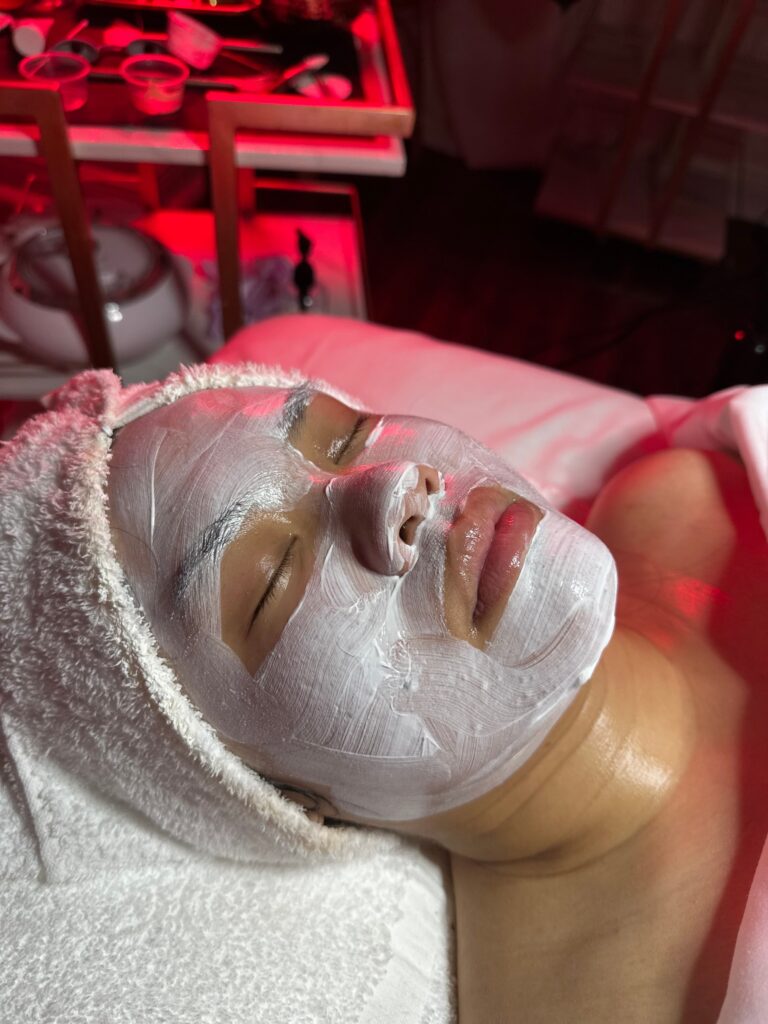
A Korean facial is a spa facial inspired by K-beauty skin care. It typically includes a double cleanse, gentle enzyme or acid exfoliation, facial massage, a mask and several thin layers of hydrating products. The goal is a healthy, dewy “glass skin” glow.
What is a glass skin facial?
A glass skin facial is designed to make skin look smooth, hydrated and luminous. Many are Korean-inspired, but spas use different techniques to get there, from enzyme peels and Korean massage to cryotherapy, lymphatic drainage and LED light.
How is a Korean facial different from a regular facial?
Many classic facials focus on deep cleansing and extractions. A Korean facial puts more emphasis on gentle exfoliation, facial massage and layered hydration, with the aim of protecting your skin barrier while boosting glow.
How much does a Korean facial cost?
Prices vary by city and length. On ResortPass, Korean and glass skin facials currently start at a little over $200 for a 50- to 60-minute treatment, while hotel spa facials and longer rituals run roughly $380 to $600. Many spas add a gratuity onsite, so check the details before you book.
How often should you get a Korean facial?
Many estheticians recommend a professional facial about once a month. If your skin is sensitive, ask your esthetician how far apart to space treatments that include peels or extractions.
Is a Korean facial good for sensitive skin?
Often, yes, since the approach favors gentle exfoliation and hydration. Still, share any sensitivities before you start. If you have a darker skin tone, ask your esthetician to skip strong peels or aggressive exfoliation, which the AAD says can cause dark spots.
Can you get glass skin at home?
You can work toward it. Dr. Yoo says five steps (cleanse, hydrate, treat, moisturize and SPF) cover what glass skin actually requires. Be careful about stacking too many products, which dermatologists say can cause irritation and breakouts.
Sources cited
American Academy of Dermatology. How to safely exfoliate at home. https://www.aad.org/public/everyday-care/skin-care-secrets/routine/safely-exfoliate-at-home
Nicioli, T. (2026, October 8). The ‘glass skin’ Korean beauty trend has risks, experts warn. CNN, via CP24. https://www.cp24.com/news/world/2026/10/08/the-glass-skin-korean-beauty-trend-has-risks-experts-warn/
Savor Beauty. The Savor Beauty facials. https://www.savorbeauty.com/pages/the-savor-beauty-facials
The Star / Yonhap. (2026, January 9). Exports of K-beauty products hit an all-time high in 2025, according to data. https://www.thestar.com.my/aseanplus/aseanplus-news/2026/01/09/exports-of-k-beauty-products-hit-an-all-time-high-in-2025-according-to-data
Yoo, J. (2026, October 9). Glass skin, explained by a dermatologist: What it actually takes. Jane Yoo MD. https://www.janeyoomd.com/glass-skin-explained-by-a-dermatologist-what-it-actually-takes/