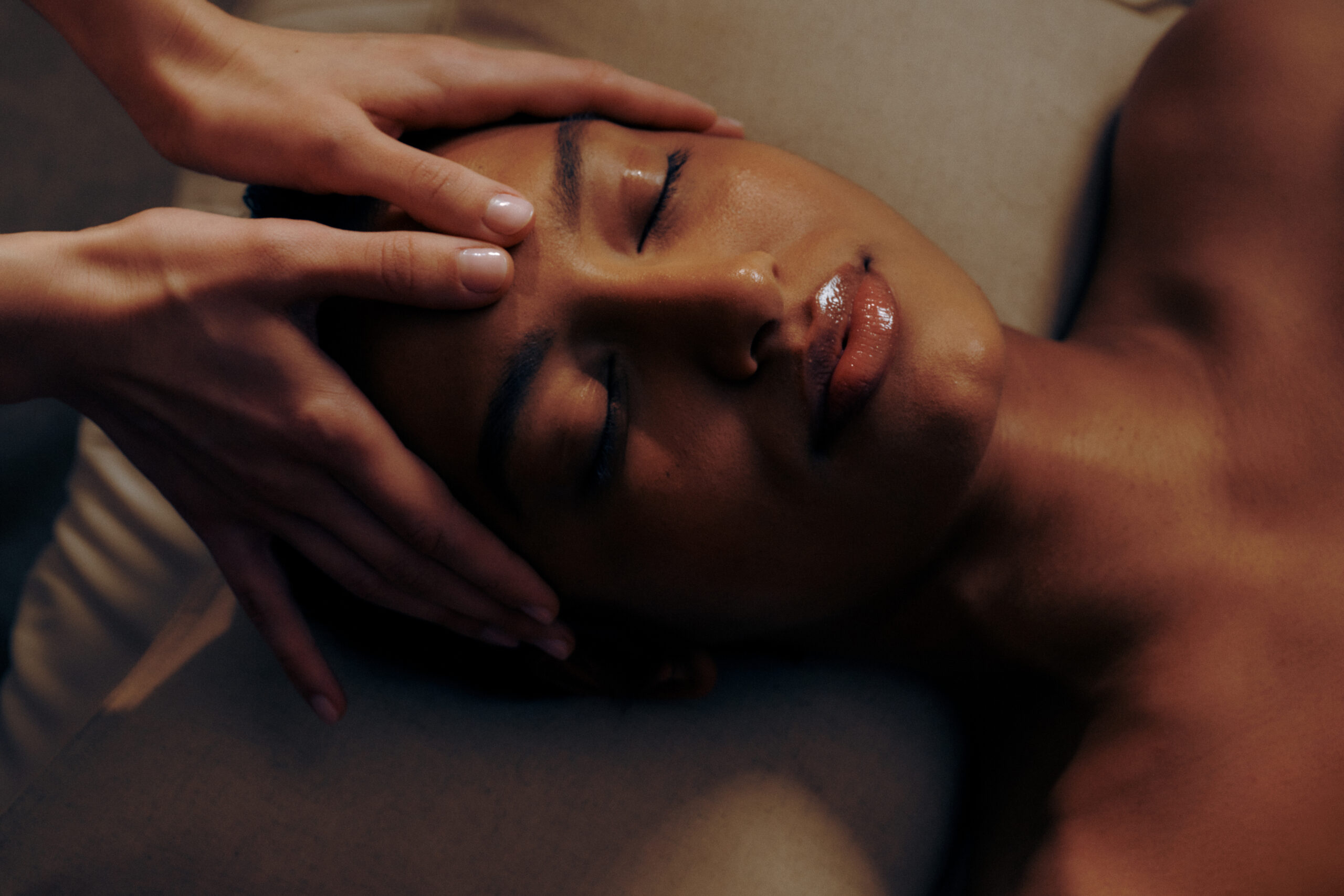
The ancient ritual redefining modern relaxation
A head spa is one of those treatments that sounds simple until you’ve tried it. On paper, it’s a scalp-focused ritual involving cleansing, massage, and aromatherapy. In practice, it feels like pressing “reset.”
The concept originated in Japan, where scalp health is considered essential to overall wellness. For centuries, practitioners have treated the scalp not just as skin but as an extension of the nervous system—connected to stress, sleep, and even emotional balance.
The modern version blends traditional techniques with advanced tools like micro-mist steamers and botanical serums to help guests unwind and rebalance from the inside out. It’s a trending spa treatment that’s worth a try (even if you’re just hearing about it for the first time).
The history of the head spa
The idea behind the head spa goes back much farther than its modern branding. In Japan, scalp and hair rituals have been part of daily life for centuries.
During the Edo period (1600s–1800s), women used camellia oil—known as tsubaki oil—to nourish their hair and maintain shine. Head massages were considered essential to circulation and relaxation, part of a broader view of beauty that connected outer appearance with inner balance.
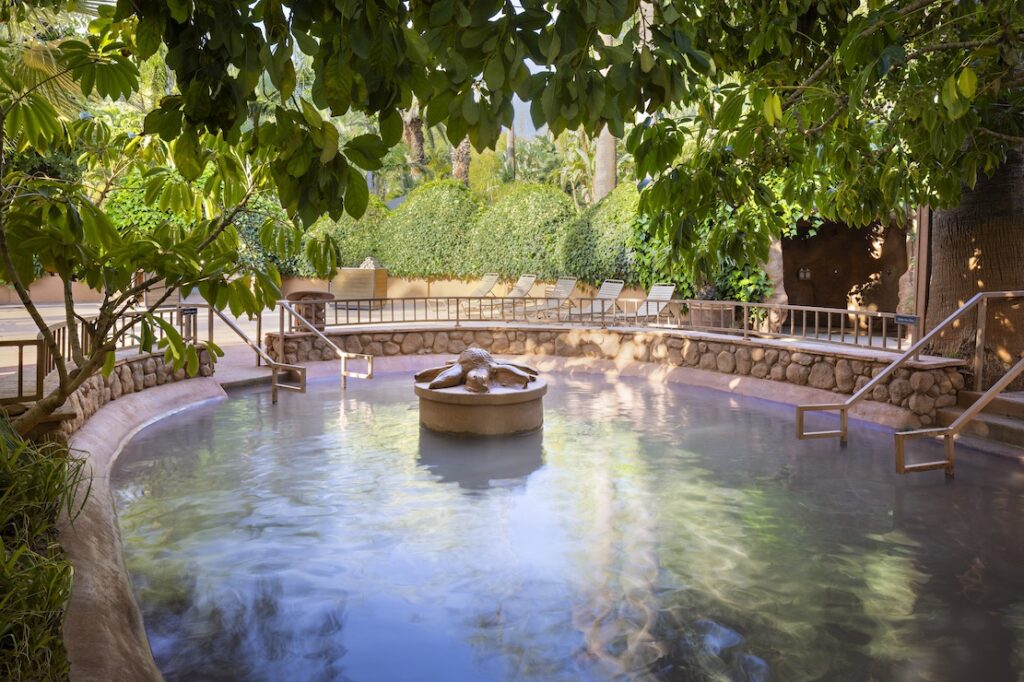
The practice evolved through Japan’s long-standing tradition of onsen (hot spring) bathing and sento (public bathhouses), where communal bathing wasn’t only about hygiene but, importantly, restoration. Head and scalp care naturally became part of these bathing rituals.
The modern “head spa” concept emerged in the late 1990s and early 2000s, when Japanese hair salons began formalizing scalp care into dedicated treatments. The first official head spas were created by beauty brands like Milbon and Aveda Japan, which introduced professional-grade scalp treatments combining massage, steam therapy, and essential oils. These salons started marketing head spa treatments as a “facial for the scalp.”
Today, many high-end spas in the U.S. offer Japanese-inspired versions that preserve the ritual’s original purpose—restoring circulation, relieving tension, and bringing the mind into stillness.
What to expect during a head spa treatment
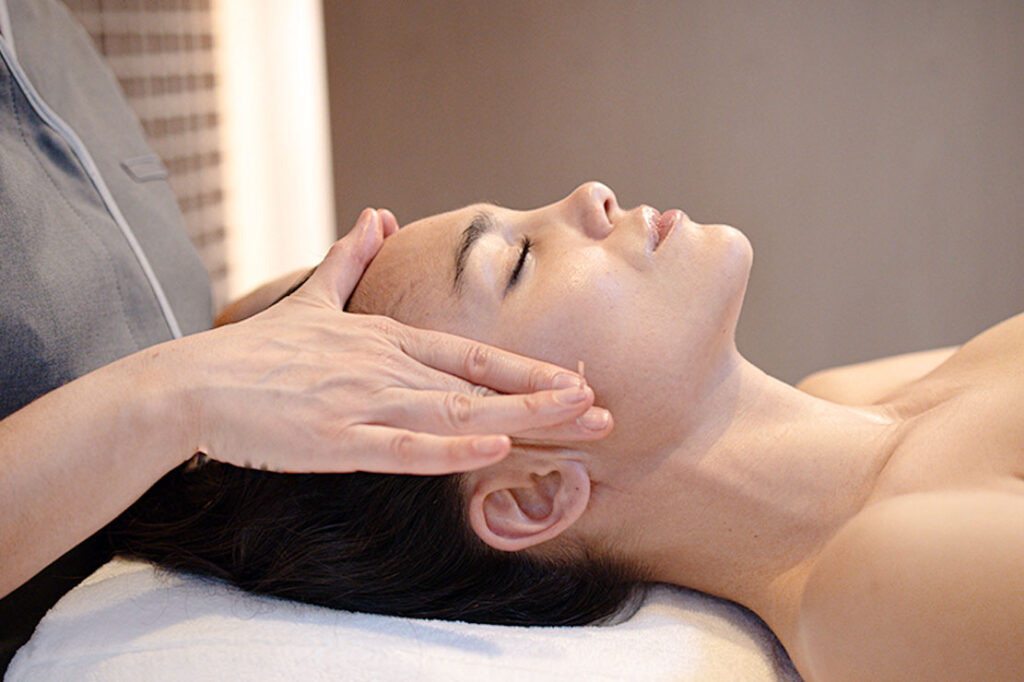
Each spa interprets the ritual differently, but most follow a similar rhythm designed to move tension out of the body and restore circulation:
1. Consultation: The treatment usually begins with a quick scalp analysis. Your therapist may use magnification or simply visual inspection to identify dryness, buildup, or areas of tightness.
2. Deep cleansing: A gentle exfoliating shampoo or clay wash clears away excess oil and product residue. This step often includes a slow, methodical scalp massage to release tension and prep the skin for treatment.
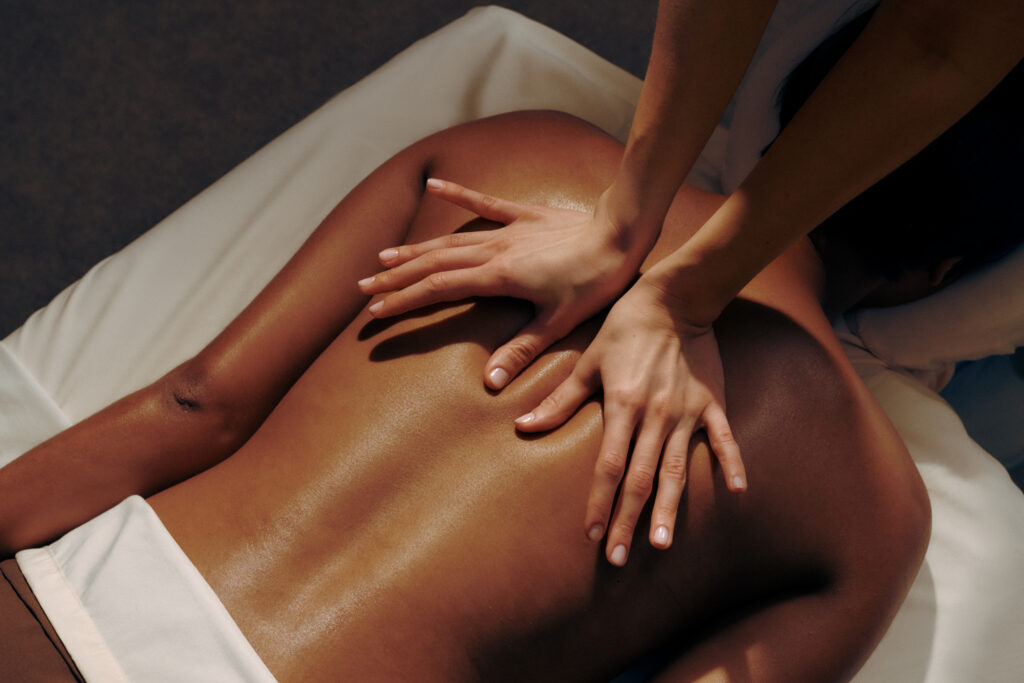
3. Scalp and neck massage: Using rhythmic pressure and circular strokes, the therapist targets pressure points that help increase blood flow, ease jaw and shoulder tightness, and relieve fatigue.
4. Conditioning and steam: Warm steam opens the pores while nutrient-rich serums or oils—often infused with mint, yuzu, or green tea—are massaged in to nourish the scalp and soften the hair.
5. Finishing touch: A cool rinse and light blow dry complete the experience, leaving your hair airy and weightless, and your mind unusually quiet.
The benefits go beyond hair
While head spas are best known for improving scalp and hair health, most guests book for the deep sense of calm that follows. Regular treatments may help:
- Relieve tension headaches and shoulder stiffness
- Support hair growth by improving circulation
- Balance oil production and reduce scalp irritation
- Lower stress and promote better sleep
- Restore mental clarity after periods of burnout or overwork
Many guests describe feeling lighter afterward: less like they had a beauty treatment and more like their entire system just took a long exhale.
Where to try a head spa
In Japan, head spas are as common as nail salons. In the U.S., they’re still an emerging category found mostly in luxury wellness destinations.
One notable resort offering a true head spa experience through ResortPass is Spa Halekulani in Honolulu. Their Head and Scalp Ritual draws from both Eastern and Western healing traditions, using botanical oils and a blend of massage techniques to release tension and restore clarity. Guests also receive access to SpaHalekulani’s serene oceanfront relaxation lounges, steam rooms, and tropical gardens—a setting made for slowing down.
If you’re new to the ritual, this is an ideal place to start.
How to prepare for your visit
There’s little prep required, but a few small things can make the experience even better:
- Avoid heavy styling products or dry shampoo that day.
- Let your therapist know about any scalp sensitivities or recent treatments.
- Plan time to unwind after—your body may feel deeply relaxed for several hours.
Most head spa sessions last about 60–90 minutes, and the effects can last long after you leave.
Why head spas are trending
The rise of head spas is part of a broader shift toward slower, more sensory forms of self-care. As wellness becomes more about balance than indulgence, people are looking for treatments that feel restorative, not just results-driven.
The scalp, long overlooked in Western spa culture, is finally being recognized for what it is: one of the most sensitive and stress-responsive parts of the body.
The bottom line
A head spa isn’t just about the scalp—it’s a mindful, multisensory reset that leaves you feeling clearer, calmer, and back to your true self. Whether you’re chasing better hair, better sleep, or simply a better kind of quiet, this centuries-old ritual delivers all three.
Explore Spa Halekulani and more luxury spa experiences available for the day on ResortPass.com.