The case for hydrotherapy is not a new one. Ancient Roman bathhouses were a cornerstone of public life and civic health. Ayurvedic texts documented therapeutic bathing practices. Water as a healing tool appears across cultures and centuries, predating the wellness industry by a significant margin.
What changed in the twentieth century is that researchers began measuring what was happening inside the body during water exposure. The physiological findings are more specific, and more interesting, than the marketing tends to suggest.
Whether you’re looking to recover faster, manage chronic pain, or simply understand why stepping into a hot tub feels the way it does, here’s the research worth knowing:
Access hotel pools, spas, and resort amenities by the day. No overnight stay required.
Browse ResortPassWhat is hydrotherapy?
Hydrotherapy is the therapeutic use of water in any of its forms, including liquid, ice, and steam, at varying temperatures, pressures, and durations to produce physiological effects. It’s one of naturopathic medicine’s oldest treatment modalities and appears in clinical use across both conventional and complementary medical settings.
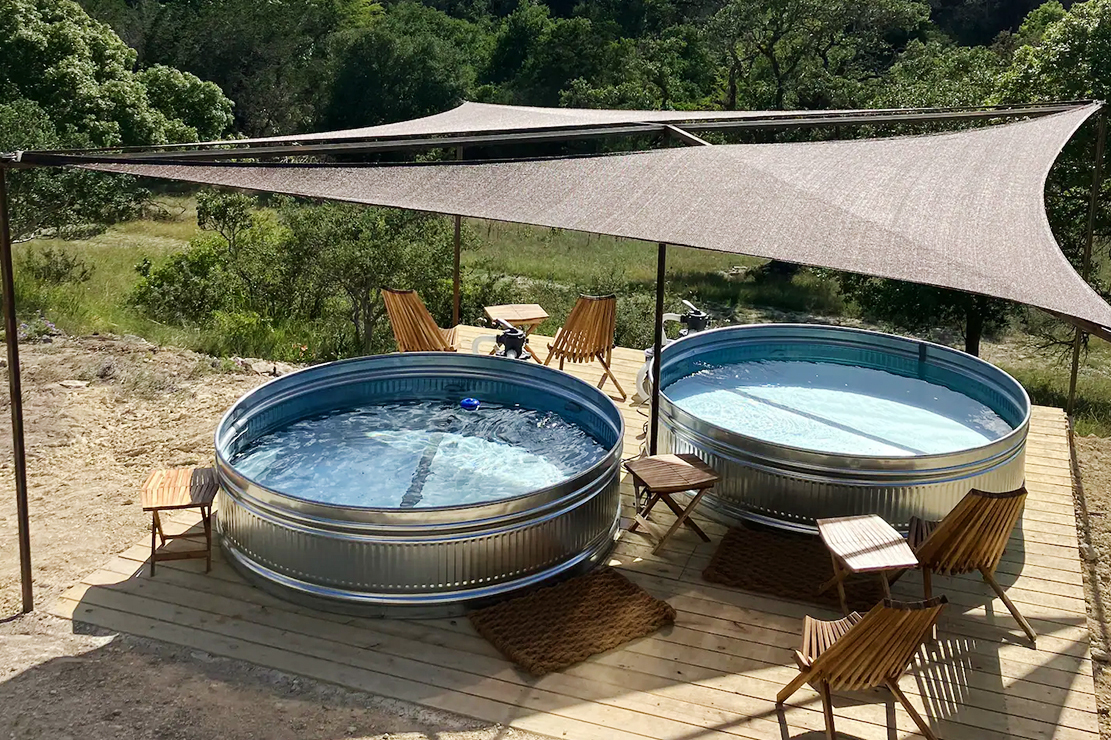
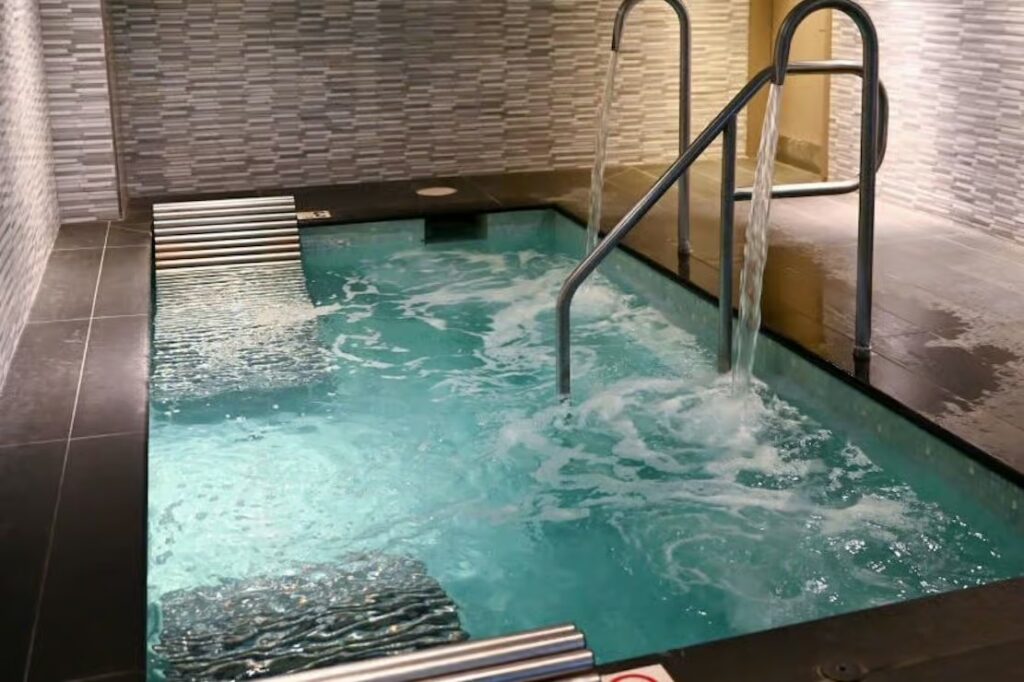
In practice, it covers a wide range of formats: hot tubs, heated pools, cold plunges, contrast baths, whirlpool baths, steam rooms, full-immersion baths, and natural mineral or geothermal springs. What distinguishes hydrotherapy from simply bathing is the intentionality around temperature and duration, and often the alternating hot-and-cold cycling that shows up most consistently in the research.
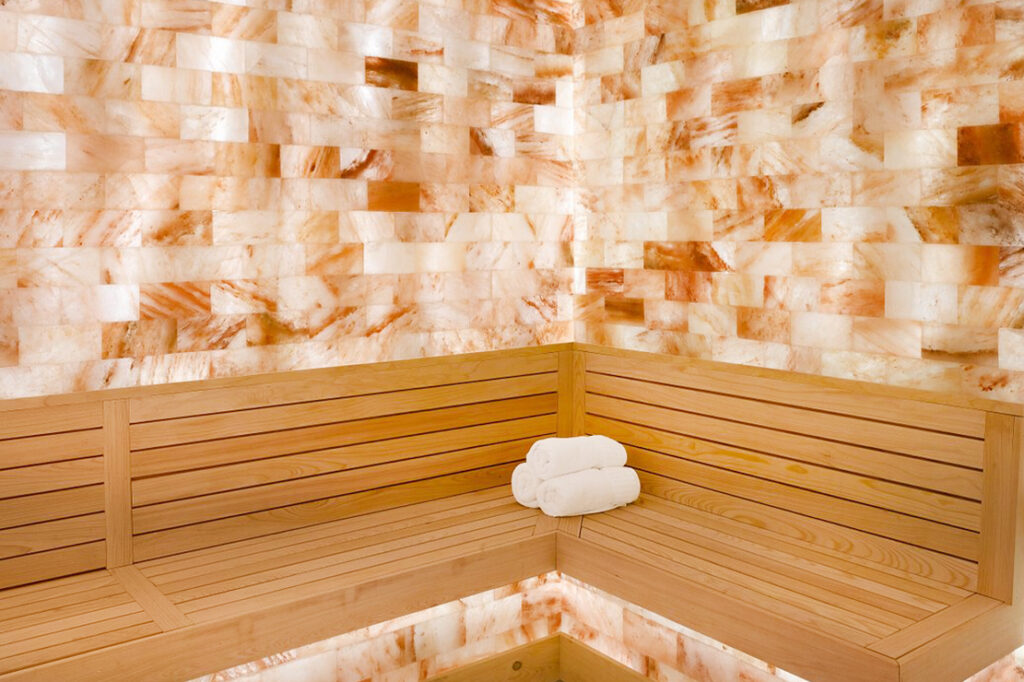
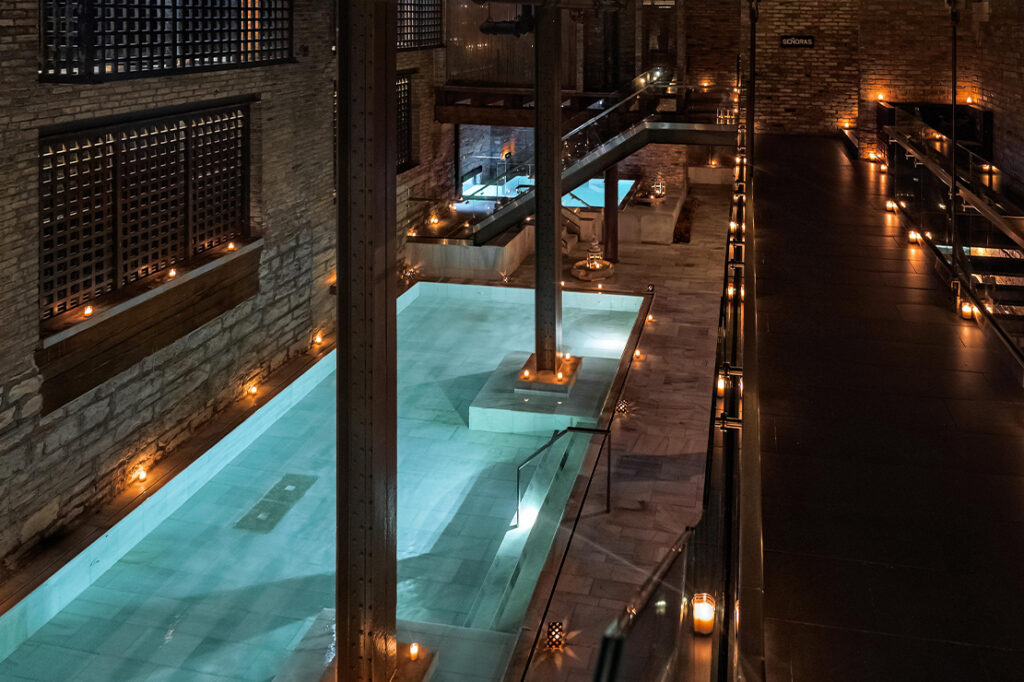
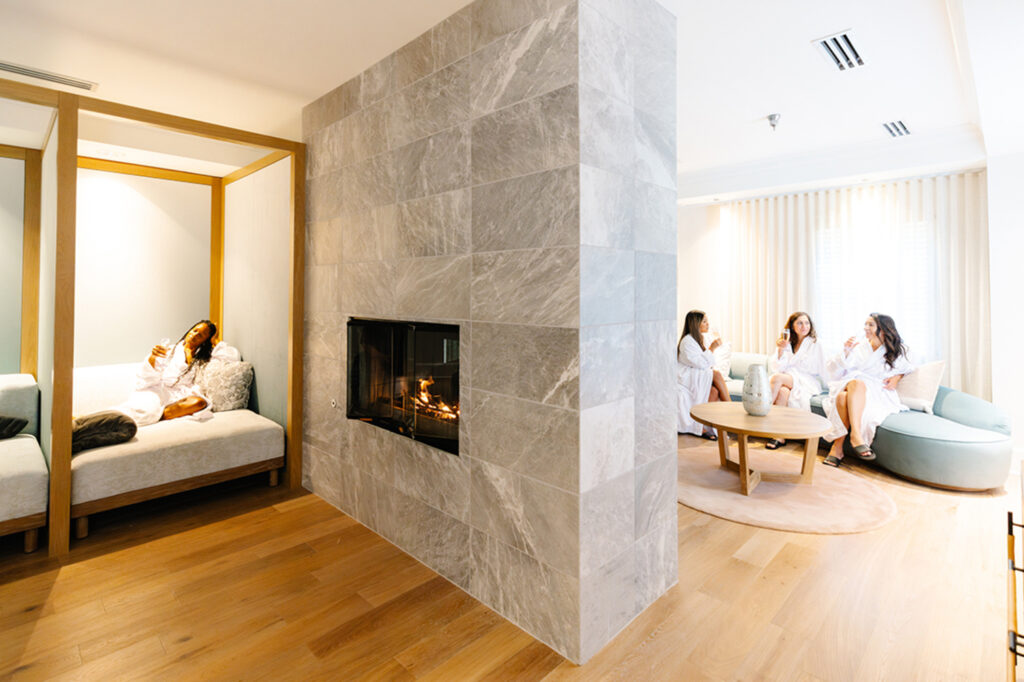
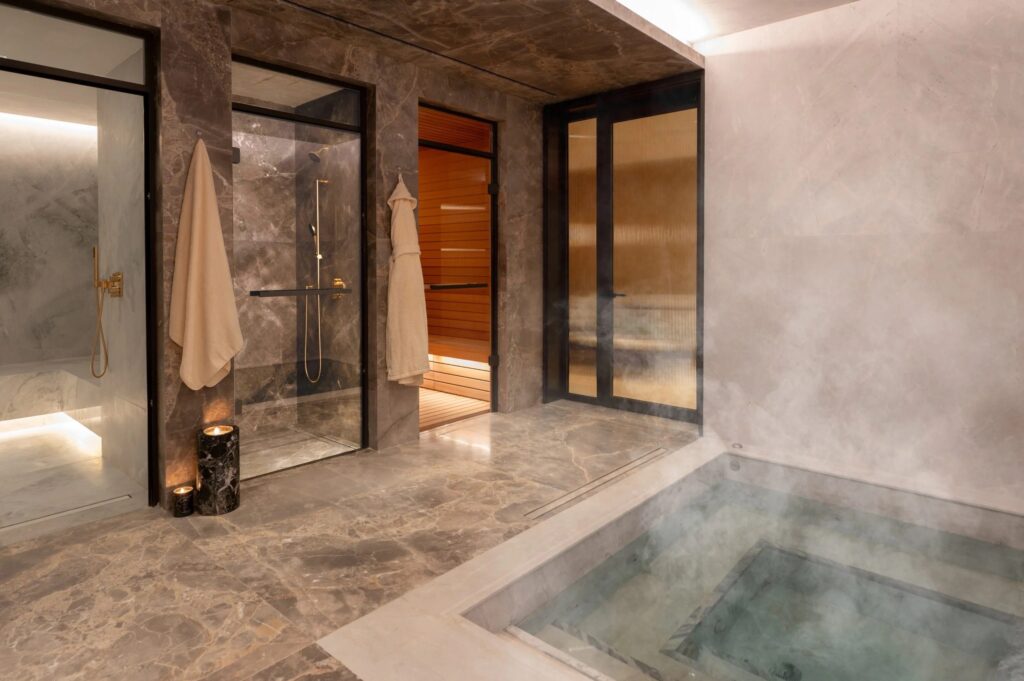
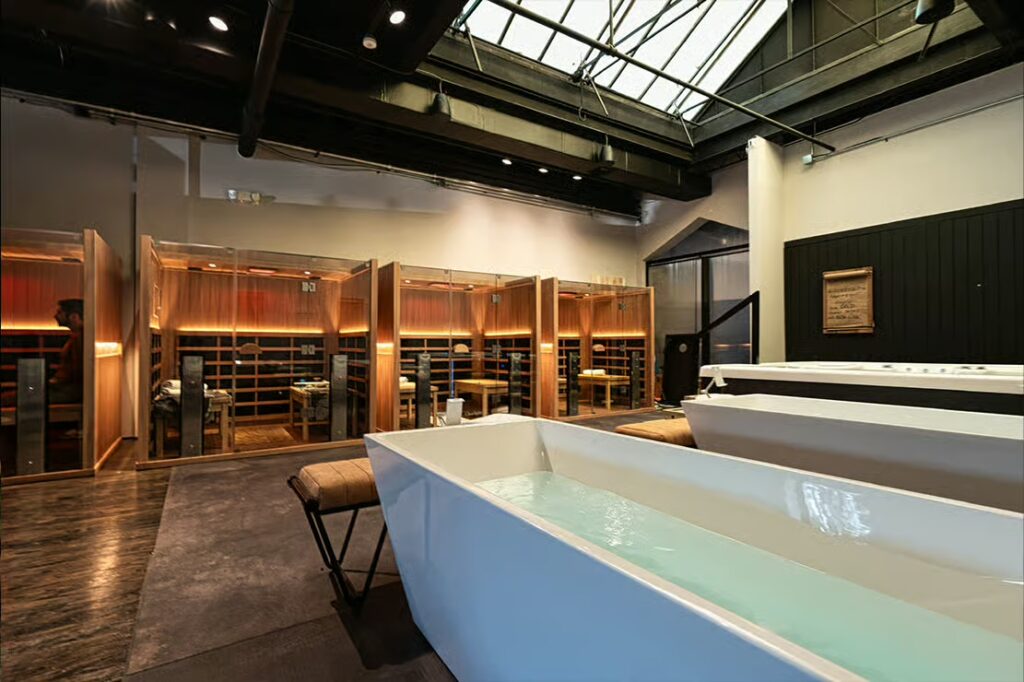
Hotel and resort spas today commonly offer what’s called a thermal circuit: a structured sequence moving through heated hydrotherapy pools, steam rooms, cold plunges, contrast showers, and quiet rest areas. This is the modern format closest to what most clinical studies have examined.
It’s similar in some respects to the traditional sauna circuit: intermittent periods of exposure to heat, followed by cooling off with ice or a cold plunge.
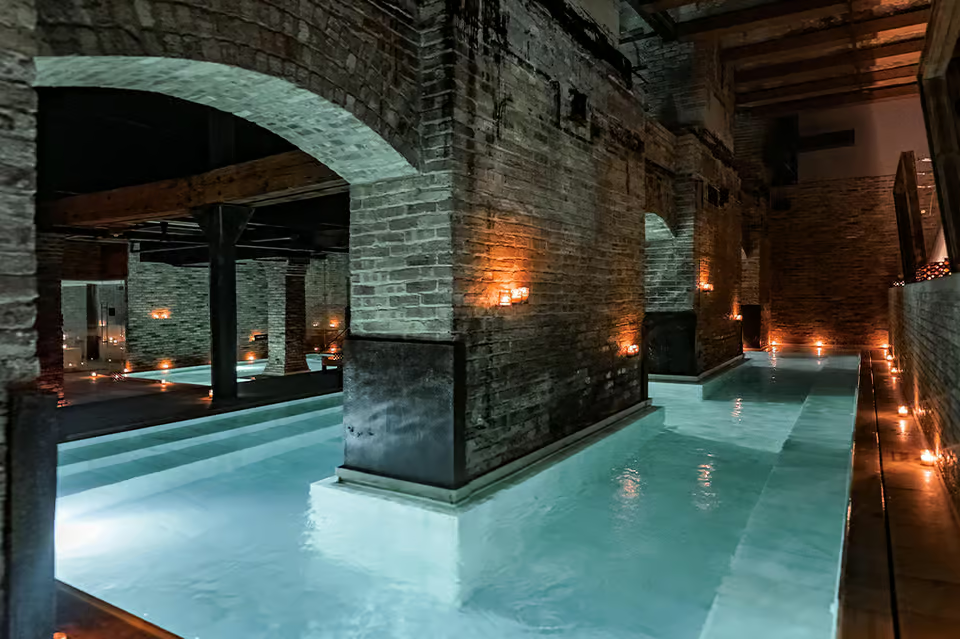
What happens to your body: the mechanisms
Temperature and hydrostatic pressure (the even, all-directional pressure water exerts on a submerged body) are the two primary variables. Their effects are well-mapped.
Warm water causes vasodilation near the skin’s surface, increasing blood flow and lowering vascular resistance. Heart rate drops. Blood pressure decreases. Muscles relax in response to both the heat and the gentle, even pressure of immersion. A review published in the North American Journal of Medical Sciences (Mooventhan & Nivethitha, 2014) found that warm water immersion at 32°C reduced heart rate by approximately 15 percent and systolic blood pressure by approximately 11 percent compared with sitting at ambient air temperature.
Cold water works by a different mechanism. Initial vasoconstriction is followed by a rebound vasodilation that drives blood more forcefully back to tissues. Cold exposure also activates the sympathetic nervous system, triggering the release of noradrenaline and dopamine—your feel-good endorphins and hormones. The same review found that immersion at 14°C increased plasma noradrenaline concentrations by 530 percent and dopamine by 250 percent, reflecting the intensity of the physiological response water temperature can produce.
Contrast therapy, the deliberate alternation of hot and cold, amplifies both effects. It’s the basis of the thermal circuit format used in serious spa and athletic recovery settings, and the format the research cites most often in the context of meaningful physiological outcomes.
The benefits of hydrotherapy
Cardiovascular health and circulation
The cardiovascular effects of hydrotherapy are among its most consistently documented. Warm water immersion produces measurable short-term reductions in both systolic and diastolic blood pressure. Repeated heat exposure via hydrotherapy pools or sauna therapy has been associated with improved cardiac function, reduced stress-related hormones, and improved exercise tolerance in patients with chronic heart failure, as well as meaningful improvements in lipid profiles: lower LDL cholesterol and higher HDL cholesterol, a shift associated with reduced cardiovascular risk.
CO2-enriched water immersion, used in some European thermal spa traditions, has been shown to reduce free radical levels in plasma, raise antioxidant concentrations, and induce peripheral vasodilation, suggesting improvements in microcirculation for people with circulatory concerns.
Muscle recovery and pain relief
This is where hydrotherapy has some of its strongest evidence, particularly in athletic and rehabilitation contexts.
Cold water immersion below 15°C has been shown to significantly reduce delayed-onset muscle soreness at 24, 48, 72, and 96 hours after exercise, compared with passive rest. Contrast water therapy (alternating approximately one minute in hot water around 38°C and one minute in cold around 15°C) accelerated the clearance of plasma lactate after intense anaerobic exercise compared with passive recovery in both male and female subjects.
For chronic pain conditions, the findings are also solid. A systematic review on fibromyalgia management concluded there is strong evidence for hydrotherapy’s effectiveness, with positive outcomes across pain levels, tender point count, and overall health status. Aquatic exercise has been shown to outperform land-based exercise for osteoarthritis knee pain, before and after walking, likely because water buoyancy reduces joint load while warmth and hydrostatic pressure reduce swelling and promote muscle relaxation.
Mood, stress, and the brain
The mood effects of hydrotherapy are among the most reliably reported, and among the most biologically grounded.
A study on regular winter swimmers found that participants experienced significant reductions in tension, fatigue, and negative mood states over the course of the swimming period, alongside increased vigor and improved general well-being. People with rheumatism, fibromyalgia, and asthma reported additional pain relief as a secondary benefit.
In controlled settings, ten minutes of whirlpool immersion produced measurable increases in feelings of well-being and reductions in state anxiety. The mechanisms researchers point to include cold exposure’s documented ability to elevate noradrenaline concentrations in the brain and increase beta-endorphin production: the same neurochemical shifts associated with the post-exercise calm most people recognize.
One hypothesis in the medical literature proposes that cold water exposure may produce antidepressive effects by acting as a mild stressor to peripheral sensory pathways, generating a response via the sympathetic nervous system that interrupts depressive neurotransmission patterns. The research on this specific mechanism is still developing, but the direction across studies is consistent.
Immune support
Regular cold water exposure has been linked to measurable immune effects. Studies have found that cold water stimulations increase circulating natural killer cells and cytotoxic T-lymphocytes, two key components of both innate and adaptive immune response. In patients with chronic obstructive pulmonary disease, repeated cold water stimulations reduced infection frequency, improved peak expiratory flow, and improved quality of life over time.
Daily brief cold stress, repeated across several days, has also been shown to increase plasma levels of key immune cytokines, suggesting a priming effect on the immune system. These findings remain early-stage for some applications, but the signal across multiple study designs is consistent.
Some of our favorite ResortPass properties for hydrotherapy
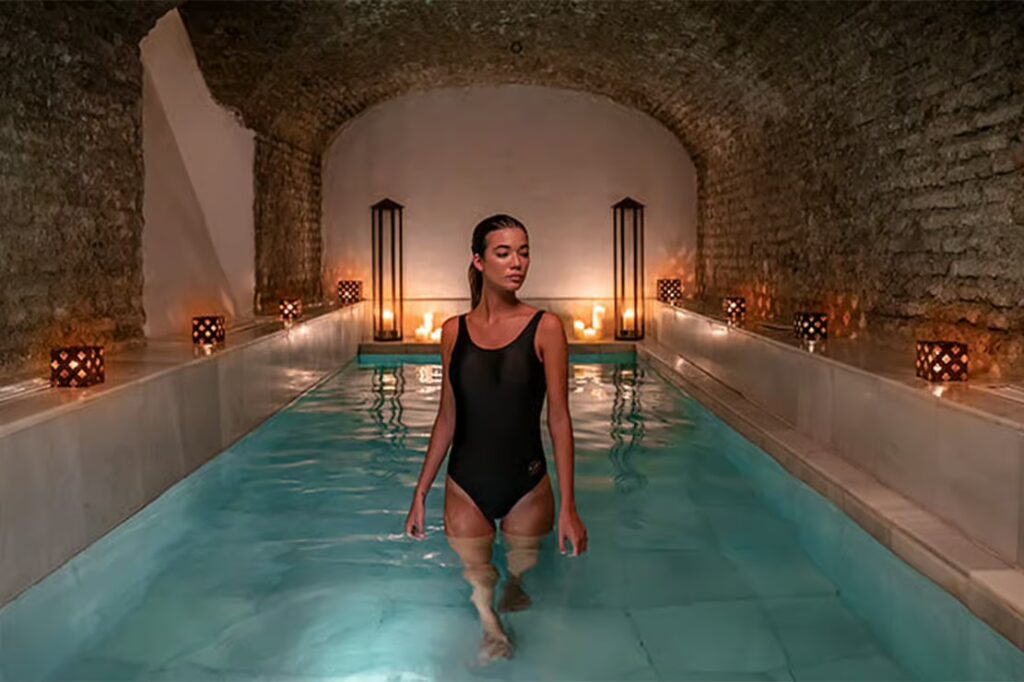
- Aire Ancient Baths, Chicago, IL
- Löyly Sauna Lounge, Houston, TX
- The Plunge, Deerfield Beach, FL
- Remedy Place, West Hollywood, CA
- Spa Castle, New York, NY
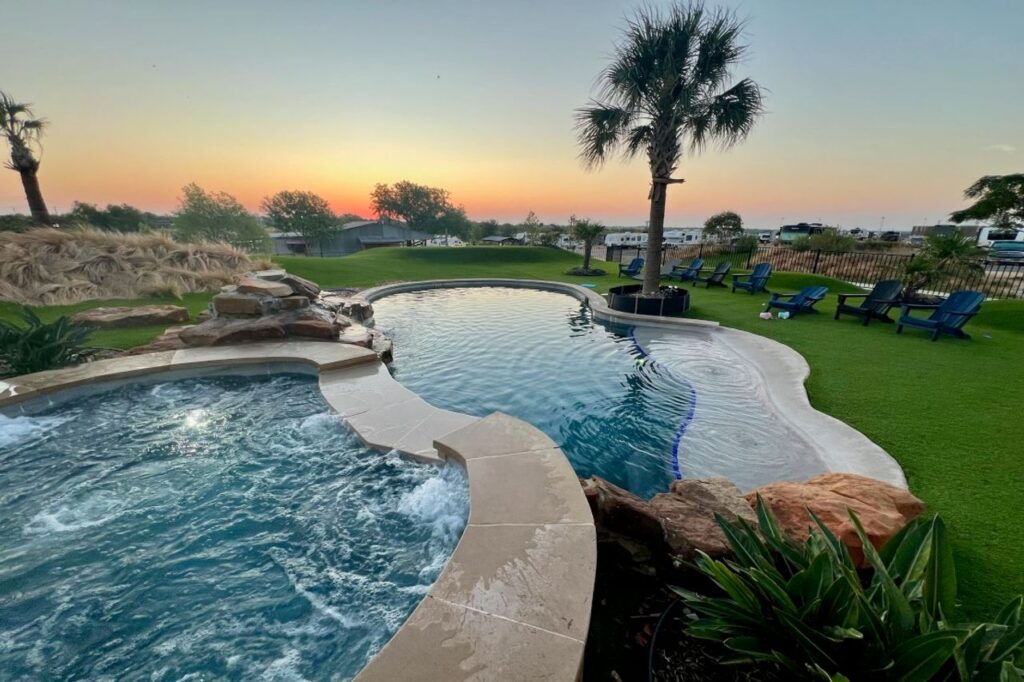
- The Charmadillo, Center Point, TX
- Argentta Spa at The Watergate Hotel, Washington DC
What about natural hot springs?
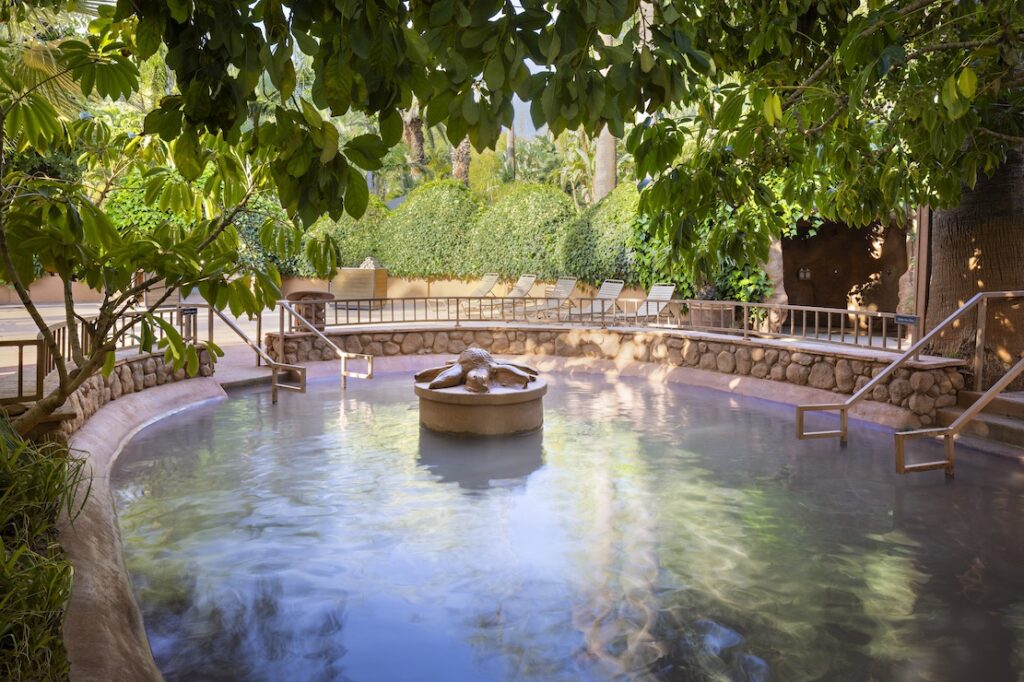
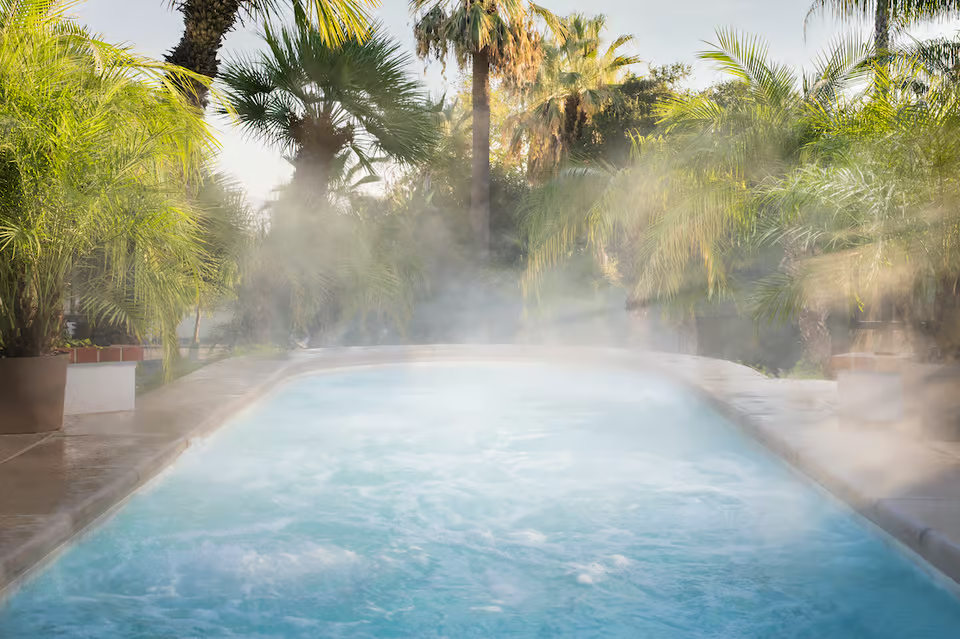
Natural geothermal springs add a dimension that standard heated pools don’t: mineral content. Spring waters vary by region in their mineral composition, but sulfate-rich and calcium-rich mineral waters have been examined specifically in therapeutic contexts.
One controlled study found that patients with knee osteoarthritis experienced greater improvements in pain and tenderness from mineral spa water at 37°C compared with tap water heated to the same temperature, following the same duration and exercise program. This suggests the mineral content of natural spring water contributes therapeutic effects beyond temperature alone.
A number of ResortPass properties are located near or on natural geothermal resources, including mineral spring pools and hot spring-fed facilities. These tend to offer the combination of temperature and mineral composition the research describes, and they’re bookable by the day.
Do you need a health condition to benefit?
No. The enjoyment argument stands on its own.
Hydrotherapy produces measurable relaxation, reduces circulating stress hormones, and creates a state of physical ease that most people recognize immediately upon entering a properly heated pool or thermal facility. The physiological underpinning for feeling better afterward is real, but a diagnosis isn’t required to find it worthwhile.
The thermal circuit format, in particular, is one of the more complete wellness experiences available: warmth, hydrostatic pressure, cold, rest, and the deliberate act of slowing down for a few hours. That’s a legitimate reason to go.
How to access hydrotherapy
The practical challenge is similar to the one that comes up with sauna research: consistent exposure appears to matter more than single sessions. Most studies showing meaningful outcomes involved subjects practicing hydrotherapy at least two to three times per week.
Hotel and resort spas are among the most accessible solutions for people without home hydrotherapy setups. Many offer dedicated thermal circuits with hydrotherapy pools, cold plunges, contrast showers, and steam rooms in well-maintained facilities designed for the hot-cold cycling the research describes. A smaller number of properties are situated near geothermal resources and offer natural mineral spring access.
ResortPass provides day access to hotel spa facilities, including hydrotherapy amenities, without booking an overnight room. Passes start at $25 and typically include the thermal areas, locker facilities, and access to the broader spa floor.
A note on safety
Hydrotherapy should be avoided in certain situations: open wounds, active infection, altered or reduced skin sensation, and heat or cold intolerance. People with multiple sclerosis should exercise caution with hyperthermia. Hyperthermic immersion carries risks in early pregnancy and should be avoided during that period.
One specific caution worth noting: rapid cooling immediately after prolonged heat exposure can trigger cardiovascular stress in people with existing coronary risk factors. The thermal circuit format used in well-run spa facilities includes appropriate cool-down periods to account for this. Anyone managing a significant cardiac condition, particularly unstable angina or a recent cardiac event, should speak with their physician before beginning any hot-cold contrast protocol.
For healthy adults, the safety profile is favorable. Temperature awareness, appropriate duration, and staying hydrated are the main variables to manage.
Hydrotherapy benefits: FAQs
What are the main benefits of hydrotherapy?
Documented benefits include reduced blood pressure and improved cardiovascular function, faster muscle recovery and reduced soreness after exercise, pain relief for conditions including fibromyalgia and osteoarthritis, improved mood and reduced anxiety, and support for immune function. The specific outcomes depend on water temperature, format, and how consistently it’s practiced.
How does hydrotherapy work?
Hydrotherapy works by triggering different physiological responses depending on water temperature. Warm water dilates blood vessels, reduces vascular resistance, and lowers blood pressure. Cold water activates the sympathetic nervous system and promotes the release of noradrenaline and endorphins. Alternating between hot and cold (contrast therapy) amplifies both effects and is the basis of most thermal circuit experiences.
Is hydrotherapy the same as a hot tub?
A hot tub is one form of hydrotherapy, but the term covers a broader range of modalities, including cold plunges, thermal pools, contrast baths, steam rooms, and natural mineral or geothermal springs. Hot tubs produce some of the relaxation and cardiovascular benefits associated with warm water immersion. Thermal circuit experiences that incorporate cold exposure generally produce more pronounced physiological effects.
Can you do hydrotherapy at a hotel spa?
Yes. Many hotel and resort spas offer thermal circuits or dedicated hydrotherapy facilities that include heated pools, cold plunges, contrast showers, and steam rooms. These are the environments closest to the ones examined in the research. ResortPass provides day access to hotel spa facilities, including hydrotherapy amenities, without requiring an overnight stay.
How often should you do hydrotherapy to see benefits?
Most research showing meaningful outcomes involved subjects using hydrotherapy at least two to three times per week. Single sessions produce real short-term effects, particularly on blood pressure and muscle soreness, but the more consistent evidence for mood, immune, and cardiovascular benefits reflects regular practice. Consistency matters more than duration per individual session.
Is hydrotherapy safe?
For most healthy adults, yes. Contraindications include open wounds, active infection, altered skin sensation, heat or cold intolerance, certain cardiovascular conditions, and early pregnancy (specifically for hyperthermic immersion). Anyone with a significant cardiac history should consult their physician before beginning a hot-cold contrast protocol.
ResortPass offers day passes to hotel spas and resort wellness facilities across the country, no overnight stay required. Find spa day passes near you.
Sources cited
Mooventhan A, Nivethitha L. Scientific evidence-based effects of hydrotherapy on various systems of the body. North American Journal of Medical Sciences. 2014;6(5):199–209. https://doi.org/10.4103/1947-2714.132935
Chowdhury RS, Islam MD, Akter K, Sarkar MAS, Roy T, Rahman SMT. Therapeutic aspects of hydrotherapy: a review. Bangladesh Journal of Medicine. 2021;32:138–141. https://doi.org/10.3329/bjm.v32i2.53791
Shevchuk NA. Adapted cold shower as a potential treatment for depression. Medical Hypotheses. 2008;70(5):995–1001. https://doi.org/10.1016/j.mehy.2007.04.052