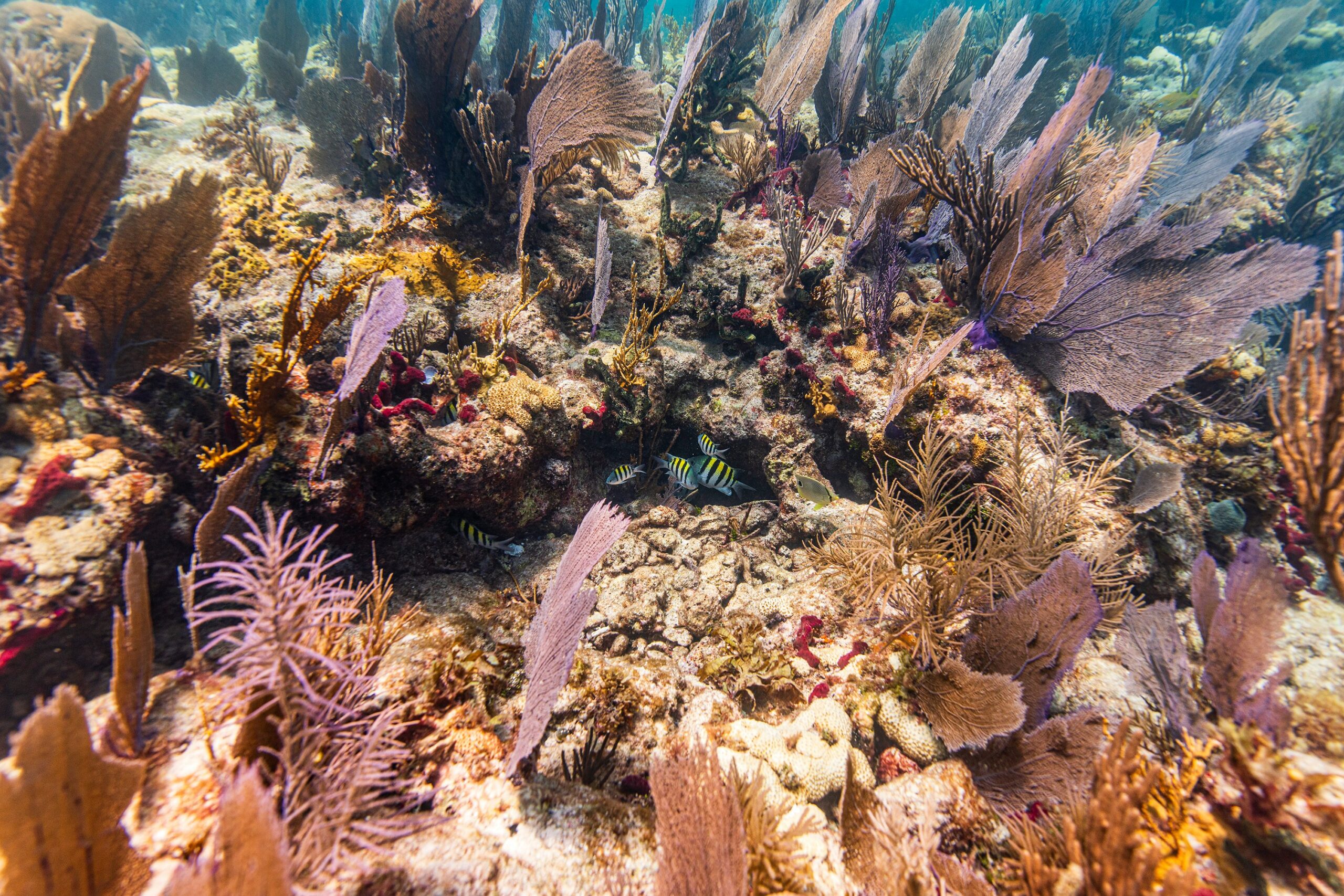
Coral reefs are some of the most important, colorful, and busiest places in the entire ocean. Even though they cover less than 1% of the ocean floor, they support roughly a quarter of all marine life on Earth. That’s why scientists often call them the “rainforests of the sea.”
Below, we’ll break down what coral reefs actually are, why they matter so much, where you can find them, what’s putting them at risk, and how Florida—including the waters right off Miami—fits into the picture.
What exactly is a coral reef?
Corals might look like colorful rocks or plants, but they’re actually animals. Each coral is made up of hundreds or even thousands of tiny creatures called polyps, and each polyp has its own body and a small mouth ringed with stinging tentacles that it uses to catch food like plankton.
Over time, polyps pull calcium out of seawater and turn it into a hard skeleton. As thousands of these skeletons build up and connect over decades, they form the reef structure we recognize. Living inside coral tissue are microscopic algae called zooxanthellae, which use sunlight to make food that the coral depends on—this partnership is what gives coral its bright colors.
Reef vs. coral vs. coral reef: What’s the difference?
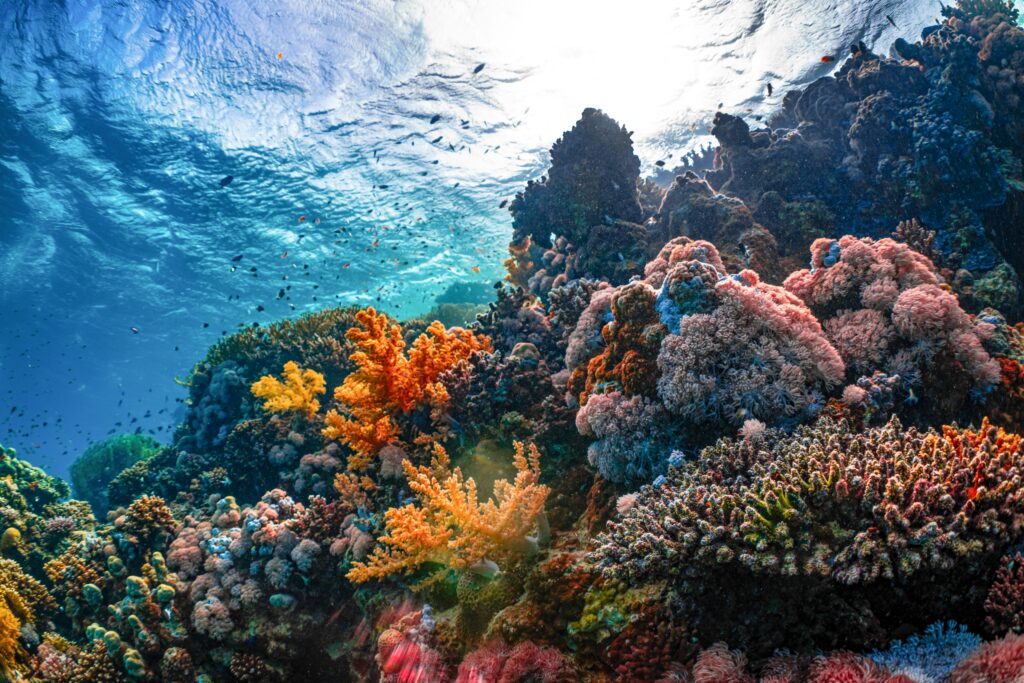
These three terms get mixed up a lot, but they’re not the same thing. A “reef” is just any ridge-like structure that rises above the ocean floor, whether it’s natural or man-made. “Coral” refers to the individual animals, or colonies of animals, that build these structures. A “coral reef” is the term for a reef whose main structure is made up of living coral.
In other words, every coral reef is a reef, but not every reef is made of coral.
Why do coral reefs matter so much?
Coral reefs aren’t just pretty to look at—they do serious work. They provide food, shelter, and breeding grounds for an enormous range of marine species, from tiny bacteria to sharks and sea turtles. Reefs also act like natural barriers, absorbing wave energy and protecting coastlines from storm damage and erosion.
On top of that, coral reefs support fishing industries, tourism, and even medical research, since some of the compounds found in coral have been used to help develop antibiotics. Healthy reefs generate billions of dollars in economic value every year through tourism, coastal protection, and fisheries combined.
Where are coral reefs found?
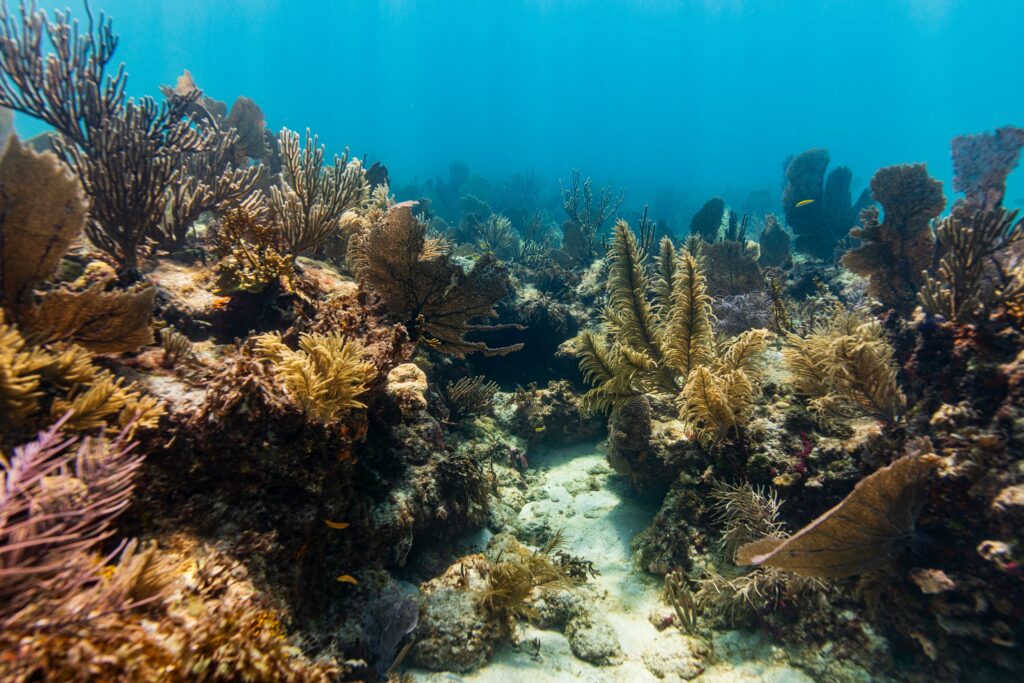
Reef-building corals need very specific conditions to survive: warm water, plenty of sunlight, and a shallow, clear environment. That’s why most coral reefs are found in tropical and subtropical regions between about 30 degrees north and south of the equator.
In the United States, coral reefs exist in seven states and territories, including Florida, Hawai?i, Puerto Rico, the U.S. Virgin Islands, Guam, American Samoa, and the Commonwealth of the Northern Mariana Islands. The largest coral reef system in the world is Australia’s Great Barrier Reef, which stretches more than 1,000 miles.
What’s threatening coral reefs?
Coral reefs around the world are in trouble. Rising ocean temperatures cause a process called coral bleaching, where stressed corals expel the algae living inside them, leaving behind a white, weakened skeleton that’s more likely to die off.
Pollution is another major issue—sediment runoff from construction and farming can cloud the water and block the sunlight corals need, while excess nutrients from sewage and fertilizer can fuel algae blooms that smother coral. Physical damage from boat anchors, careless divers, and certain fishing practices adds even more pressure.
Scientists estimate that around 14% of the world’s coral reefs were lost between 2009 and 2018 alone, and reef loss has likely increased since then due to repeated global bleaching events.
Florida’s coral reefs, and what’s happening in Miami
Florida is home to the only living coral barrier reef system in the continental United States, and it’s actually the third-largest barrier reef system in the world. Known as the Florida Reef Tract, it stretches from north of Miami all the way down through the Florida Keys to the Dry Tortugas. South Florida is the only place in the continental U.S. with warm enough, clear enough, shallow water for reef-building coral to survive.
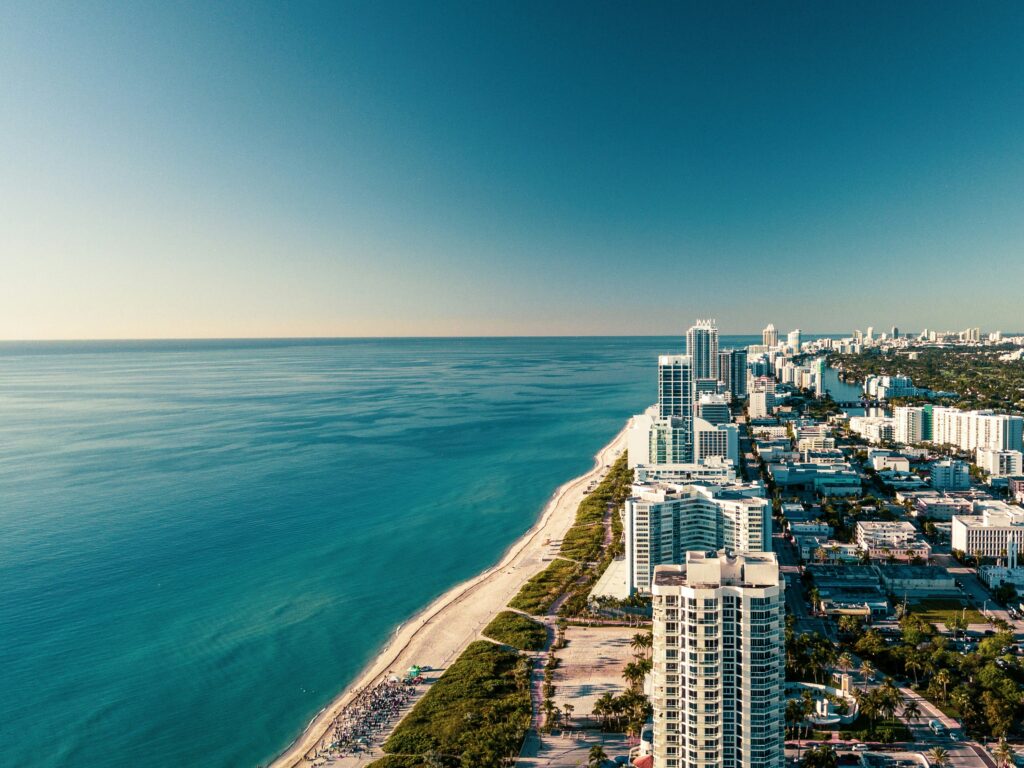
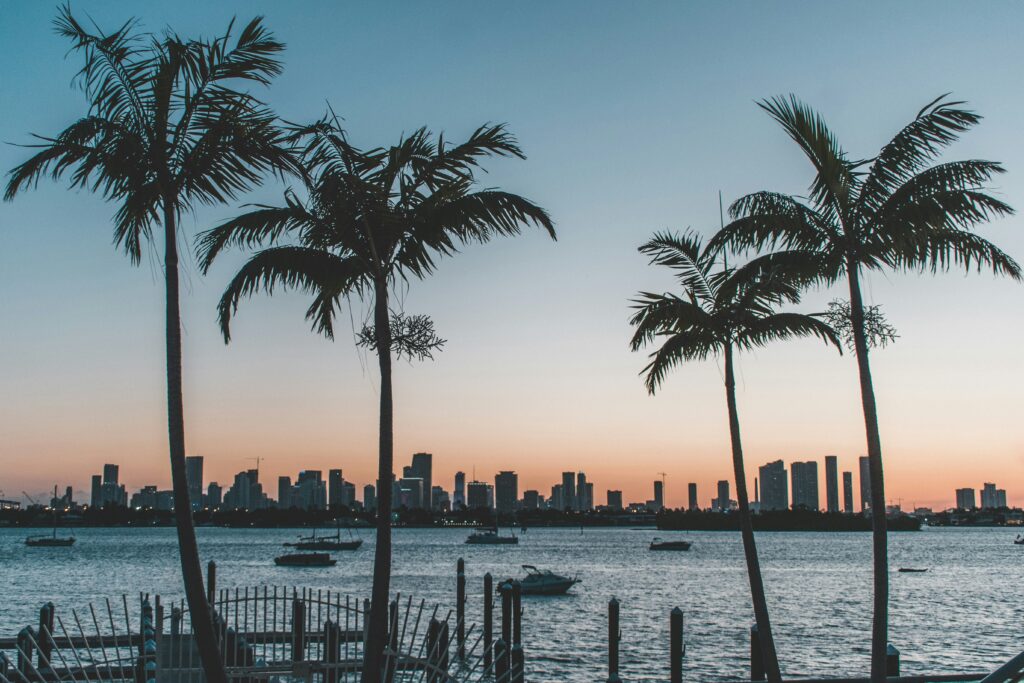
Miami-Dade County sits right at the northern end of this reef system, with coral reef habitat running from Miami Beach down to the edge of Biscayne National Park. Like other reefs in this system elsewhere in Florida, Miami’s reefs have been under stress for decades due to coastal development, pollution, and warming waters, and local coral cover has declined significantly since monitoring began in the 1990s.
To help fight back, Miami-Dade County runs programs that let residents report reef damage, track invasive species like lionfish, and get involved as “coral champions” through local conservation efforts. If a class trip or family vacation brings you down to see the reefs firsthand, comparing resorts near the coast can make it easier to plan a home base close to the water.
How you can help protect coral reefs
Even if you don’t live near the ocean, your everyday choices can make a difference for coral reefs. Using reef-safe sunscreen, reducing plastic waste, conserving water, and supporting organizations that monitor and restore reefs are all simple ways to help. If you ever visit a reef while snorkeling or diving, remember not to touch or stand on the coral—even a small bump can damage a colony that took decades to grow.
Sources cited
- California Academy of Sciences. (n.d.). How do humans depend on coral reefs? https://www.calacademy.org/educators/how-do-humans-depend-on-coral-reefs
- Coral Guardian. (2024, December 18). Coral reefs are under threat worldwide. https://www.coralguardian.org/en/coral-reefs-at-risk/
- Coral Reef Alliance. (2026, June 11). Types of coral reef formations. https://coral.org/coral-reefs-101/types-of-coral-reef-formations/
- Corals of the World. (n.d.). Coral structure and growth. https://www.coralsoftheworld.org/page/structure-and-growth/
- Florida Department of Environmental Protection. (2025, April 22). Facts and history. Florida’s Coral Reef. https://floridascoralreef.org/the-reef/facts-and-history
- Friends of Our Florida Reefs. (n.d.). SEAFAN. https://www.floridareef.org/seafan
- International Coral Reef Initiative. (2023, December 15). Benefits of coral reefs. https://icriforum.org/about-coral-reefs/benefits-of-coral-reefs/
- National Oceanic and Atmospheric Administration. (2024, June 16). What is coral bleaching? National Ocean Service. https://oceanservice.noaa.gov/facts/coral_bleach.html
- New England Aquarium. (2024, November 22). Corals are animals and 6 more fun facts you didn’t know. https://www.neaq.org/corals-are-animals-and-6-more-fun-facts-you-didnt-know/
- Turks and Caicos Reef Fund. (n.d.). How coral reefs are formed. https://www.tcreef.org/how-coral-reefs-are-formed
- U.S. Environmental Protection Agency. (2026, May 7). What you can do to help protect coral reefs. https://www.epa.gov/coral-reefs/what-you-can-do-help-protect-coral-reefs